Drones vs Tanks: A Comprehensive SEO Outline
Drones in modern warfare: capabilities and limitations
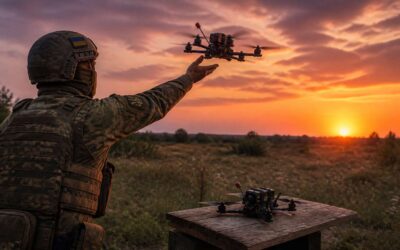
In modern theatres, drone sorties have surged ahead of manned reconnaissance, with a three-to-one tilt that reshapes how battlespace is understood in real time. The air hums with data, turning every ridge into a streaming chronicle and every decision into tempo rather than brute force.
To understand the dynamics, we weigh capabilities and limits through drones vs tanks, where speed, precision, and resilience meet weather, interference, and logistics. In South Africa’s urban corridors and rugged frontier routes, the contrast becomes a study in mobility and timing, a dance where lightweight scouts outpace armor in reconnaissance and targeting loops.
- ISR reach and persistent presence
- Armor interaction and countermeasures
Tanks in the modern battlefield: firepower and protection
Drones vs tanks captures a quiet, merciless truth: in South Africa’s urban corridors and rugged frontier routes, tempo decides more than mere firepower. Drone reconnaissance now moves at roughly three times the pace of manned scouting, turning every ridge into a streaming chronicle and every command into tempo rather than brute force.
Tanks offer a different kind of gravity. Consider these pillars of tanks in the modern battlefield:
- Firepower and protection balance
- Armor interaction and countermeasures
- Mobility, logistics, and resilience in challenging weather
The contrast is less a clash than a syllabus—timing, visibility, and endurance shaping outcomes where the data stream is as decisive as a well-placed shell.
Economic and logistical considerations
Tempo is the unseen heavy artillery of modern warfare; in South Africa’s urban corridors and rugged frontier routes, speed does more than score with the target—it reshapes the decision tree. In the debate of drones vs tanks, every hour saved in reconnaissance and casualty avoidance translates into dollars and resilience. As a strategist once observed, speed is security, and tempo writes the ledger where firepower alone cannot!
- Capital costs and total ownership (procurement, depreciation, disposal)
- Maintenance, spares, and training cycles across platforms
- Logistics footprint, energy use, and readiness under varied weather
Economic and logistical considerations extend the battlefield far beyond the tip of a shell, with South Africa’s budget cycles shaping which path goes from plan to practice.
Strategic implications and combat doctrines
“Speed is security,” a strategist once observed, and in South Africa’s bustling urban corridors and rugged frontier routes that truth lands with extra force. The drones vs tanks debate isn’t only about who hits harder; it’s about tempo, decision cycles, and resilience. For a comprehensive SEO outline, strategic implications hinge on doctrine that prizes reconnaissance tempo, risk reduction, and the ability to adapt to mixed environments.
In the drones vs tanks calculus, drones deliver persistent sensing, rapid target acquisition, and precision engagement; tanks provide protection, shock, and a mobile reserve. The real question is how to choreograph sensors, fires, and logistics so that each platform amplifies the other, especially under budget constraints and volatile weather that South Africa faces.
- Mixed formations and doctrine integration
- Interoperability and data fusion
- Lifecycle costs and readiness
Future trends and technology convergence
In modern warfare, drones vs tanks define the tempo, risk, and resilience of future warfare. South Africa’s varied terrain—from crowded urban corridors to rugged frontier routes—tests how quickly sensors translate into decisive action. Future trends and technology convergence push tighter data fusion, AI-guided autonomy, and edge processing that keep reconnaissance and targeting swift even under pressure. The real question is interoperability across domains and the ability to adapt to mixed environments.
As budgets tighten, the answer lies in convergent systems that fuse sensors, fires, and logistics into a seamless loop.
- sensor fusion across air and ground nodes
- autonomous decision cycles and swarm coordination
- robust communications in contested environments
Ultimately, drones vs tanks will be judged by the tempo and reliability they deliver when weather shifts and budgets tighten.


0 Comments