Selecting the Ideal Drone for Your Skill Level
Entry-Level Drones for First-Time Pilots
Nearly 60% of new pilots shelve their first drone within three months, often because they chose a machine built for professionals. Entry level doesn’t mean cheap; it means forgiving.
When you scan drones at Takealot, look for models with propeller guards and a stabilised camera. Your first aircraft should tolerate a rough landing. It should also offer a beginner mode, which limits altitude and speed while you learn the controls.
A sensible shopping list includes:
– A spare battery, because ten minutes of flight evaporates quickly.
– Extra propeller sets; they will bend.
– A lightweight carry case.
South African conditions demand attention. Wind on the Highveld gusts suddenly, and coastal breezes in Cape Town can push a light drone into a tree. Browse the full range of drones at Takealot and settle on a model with at least 20 minutes of advertised flight time. The best early flights happen over open ground, away from obstacles and spectators.
Mid-Range Drones for Hobbyists and Enthusiasts
Enthusiasts hit a plateau around their fiftieth flight. The beginner machine feels predictable, and the craving for longer range and sharper imagery takes over. At this stage, scanning drones at takealot shifts from curiosity to calculation. A mid-range model offers intelligent flight modes, gimbal stabilisation, and obstacle sensing that forgives impulsive manoeuvres.
South African hobbyists face choices. Highveld sunlight demands a camera with strong dynamic range. Coastal humidity tests the drone’s resilience. Browsing drones at takealot, I weighed the software ecosystem as heavily as the hardware. The controller’s response curve matters more than the megapixel count!
- Check the FCC or CE transmission power specs
- Verify battery swappability without tools
- Read crash repair reviews from local pilots
These machines occupy a middle ground, neither entry-level nor professional. They reward deliberate practice. The right mid-range choice extends your skill ceiling rather than limiting it!
Professional and Commercial-Grade Options
When the invoice for a cinema grade gimbal no longer makes you wince, you have left hobbyist territory. Professional drones at takealot represent a different species. These machines carry payloads costing more than a used hatchback. They demand licences, insurance, and a tolerance for firmware updates at 6 a.m.
Commercial operators in Johannesburg and Cape Town run thermal inspections and survey pipelines. The camera sensors capture radiometric data. The redundancy systems are non negotiable. Serious buyers browse drones at takealot with a spreadsheet open, not a dreamer’s smile.
- Swappable payload mounts for varied missions
- RTK positioning for centimetre accuracy
- Hot swappable batteries for continuous operation
- Weather resistance that laughs at Highveld drizzle
I watched a surveyor spend an afternoon debating weatherproofing ratings. The price tags reflect the capability. A Free State farm needs crop analysis. A mining operation needs volumetric measurements. The right machine pays for itself.
Specialty Drones: FPV, Racing, and Mini Models
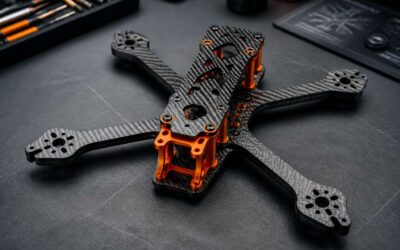
FPV drones are their own category. You strap on goggles, and the camera feed replaces your view of the world. Racing drones at takealot attract people who enjoy crashing small fortunes at 120 kilometres per hour. Mini drones, by contrast, suit those who want to fly indoors without taking out a ceiling fan.
Selecting the right machine comes down to your tolerance for repairs. Racing frames break weekly. FPV models demand battery management and antenna maintenance. Mini drones require only a steady thumb and a clear coffee table.
A few details separate the wise purchase from the regret:
- Frame weight and motor size
- Goggle compatibility and video transmission
- Spare parts availability for drones at takealot
- Local frequency regulations for FPV operation
The learning curve is steep. Expect to crash. Your first flight will end in a shrub.
Matching Drone Features to Your Flying Goals
In my experience, most pilots overestimate their discipline! The excitement of a new purchase fades within weeks, replaced by the quiet arithmetic of battery cycles and repair costs. Choosing a machine is an admission of how much failure you can tolerate. When browsing drones at takealot, honesty about your monthly flight hours matters more than any advertised range.
Consider the mental effort each flight requires. A heavy quad demands constant corrections. A lightweight model forgives hesitation but punishes recklessness. Your flying goals define the actual purchase:
- A desire for calm aerial photography means stability matters.
- A hunger for speed means frame rigidity and throttle response.
- A curiosity about autonomy means sensor fusion and obstacle avoidance.
Ultimately, the choice reflects the habit you already have, not the pilot you imagine becoming.
Key Features and Specifications to Compare
Camera Quality and Stabilization Technology
Pilots frequently discover that a 48-megapixel sensor delivers unusable footage when the gimbal cannot keep the horizon steady. When comparing drones at takealot, sensor size and lens construction influence results more than the advertised megapixel count. A larger sensor captures more light, which improves low-light detail and reduces digital noise. Stabilization technology carries equal weight. A three-axis mechanical gimbal physically counteracts airframe movement, while electronic image stabilization relies on algorithms to smooth the frame.
Wind gusts along the Cape coast or sudden directional shifts expose the limits of any stabilization system. The strongest designs pair both methods. Some current models include:
– 4K video recording with a 1/2.3-inch CMOS sensor
– Three-axis mechanical gimbal with a 120 degree tilt range
– Electronic image stabilization for 1080p footage at 60 frames per second
These specifications produce visible differences in the footage. A stabilized camera delivers fluid results even during fast, aggressive maneuvers. The drones at takealot range widely in this regard, with gimbal type and sensor dimensions acting as the primary determinants of final image quality.
Flight Time and Battery Performance
Flight time remains the most quoted specification on any box, yet real-world endurance depends on conditions. A drone advertised at 30 minutes might deliver 18 when the Cape Doctor kicks in. Battery chemistry matters more than the number on the label. Lithium polymer cells degrade with each charge cycle, and heat from the Highveld sun accelerates that decline.
When comparing drones at takealot, compare these specifics:
– Hover time versus full-throttle flight, which drains cells faster
– Battery capacity measured in milliamp hours, not flight time claims
– The cost of replacement packs, since you will need several
Some models allow hot-swapping mid-flight. Most do not. Modern battery management systems track discharge rates and cell balance, giving you accurate remaining power instead of a sudden drop.
Control Range and Transmission Systems
Most advertised range figures assume clear line of sight across open veld, yet Johannesburg’s skyline and the Cape’s mountains alter those expectations dramatically. When scanning the specs for drones at takealot, I inspect the transmission system before battery or camera claims. A 4 kilometre range often becomes 800 metres when the controller battles Wi-Fi congestion or concrete reflections.
Here is what actually matters:
– Frequency band: 5.8 GHz reduces interference but shortens distance, while 2.4 GHz penetrates obstacles better.
– Protocol: Lightbridge and OcuSync maintain stable links, unlike older Wi-Fi systems that fail under the Highveld sun.
– Latency: budget models hover around 100 milliseconds, whereas digital FPV systems push under 20.
Some controllers rely on a phone for the display, which degrades performance. Others use a dedicated screen with tuned antennas. I always verify whether the drone returns to home when the signal weakens rather than dropping silently. That single feature prevents most heartbreaks.
GPS, Obstacle Avoidance, and Smart Flight Modes
Modern drones depend on satellite geometry more than most pilots realise. South Africa’s position near the magnetic equator makes compass calibration essential, so a drone that supports GPS, GLONASS, and Galileo simultaneously holds its position far better. When I scan through drones at takealot, I filter for dual frequency GNSS receivers before considering anything else.
Obstacle avoidance is equally layered. Stereoscopic cameras interpret depth, while infrared sensors measure proximity. Neither works well in bright Highveld sunlight or dust haze. A system that combines both, with side and rear sensors, reduces the chance of a costly collision.
Smart flight modes reveal the drone’s true processing power. Waypoint routing, ActiveTrack, and orbit modes demand a responsive flight controller. Modes that work flawlessly in open fields may stutter in tight urban spaces. Checking the sensor suite and firmware maturity saves expensive repair bills later.
Portability and Foldable Design Considerations
A drone that folds into a 20 cm square still needs a case that fits your boot. Portability involves more than folded size. Check the arm locks, propeller guards, and gimbal clip. Some drones unfold with a satisfying click, others resist until you fear breaking the hinge.
When I scan drones at takealot, folded dimensions go against my daily carry. A 249-gram drone slips into a backpack, while a 900-gram rig demands a shoulder strap. Hinge material matters. Plastic fatigues; metal adds weight but survives rough veld tracks. Battery placement shifts balance. Rear packs center weight, side mounts simplify swapping.
Consider these trade-offs:
- Folded under 20 cm fits laptop sleeves.
- Flat folding prop guards reduce packing fuss.
- Removable gimbal covers prevent sensor scratches.
The best foldable design is one you actually carry. A drone that takes five minutes to assemble stays home.
Spare Parts Availability and Maintenance Needs
Spare parts availability can decide whether a crash grounds you for a weekend or a season. When I scan drones at takealot, I check whether replacement arms, gimbal ribbons, and motor shafts appear on the same page as the aircraft itself. Some brands keep genuine stock in South African warehouses. Others make you wait for a courier from Shenzhen.
Compare these before committing:
– Propeller packs under R300, sold in multi-pairs.
– Batteries with local stockists, not just pre-order listings.
– Service centres within driving distance of Johannesburg or Cape Town.
Maintenance needs follow the same logic. A drone with exposed screws and pop-off props takes ten minutes to service. One with glued joints and proprietary connectors demands a specialist. For casual pilots, a model with readily available parts at drones at takealot beats a spec sheet full of exotic capabilities. Your wallet and your patience will feel the difference.
Budget Planning and Price Ranges
Affordable Drones Under R500
Spending less than R500 on a drone at Takealot requires a specific mindset. You are not buying a piece of aviation technology. You are buying a toy with propellers. The under R500 bracket offers boxy little flyers with toy-grade cameras and battery lives measured in minutes. Still, these machines serve a purpose. They teach orientation, throttle control, and the art of retrieving a quadcopter from a neighbour’s aloe tree.
- Basic altitude hold instead of GPS positioning
- Single-axis cameras that record in 480p
- Batteries that take two hours to charge and offer seven minutes of flight
These drones at Takealot will not survive a windy Highveld afternoon. They are indoor trainers, best flown in a garage or a lounge with high ceilings. If you budget for a spare battery or two, your actual flying time becomes tolerable.
Mid-Range Selections Between R500 and R2000
R500 to R2000. That is where the real upgrade begins. Spend R600 and you still get plastic gears and basic sensors. Push past R1500 and certain drones at takealot start to offer genuine capability.
The mid-range bracket rewards careful shoppers. You gain brushless motors that outlast brushed alternatives. You gain a transmitter that fits your hands properly. Some units offer 2K cameras and hot-swappable batteries.
What shifts as you approach R2000:
- Better stability in light wind conditions
- Modular battery bays instead of fixed cells
- Dedicated frequency hopping for control signals
I have watched buyers skip this bracket entirely! They overshoot from toy-grade to commercial and drain their budget. The middle range exists for that reason alone.
Premium Drones Exceeding R2000
Crossing the R2000 line at drones at takealot demands a different budget strategy. The toy-grade compromises disappear, but so does your financial cushion. I have seen pilots drain funds on flagship models only to shelve them after a month. Careful planning focuses on total cost of ownership, not just the sticker price.
Consider what sits inside the box at this level. Spare rotors, extra cells, a carrying case, and often a better remote. The price of entry is higher, but the upgrade path is cheaper. You will not replace the entire unit when a motor wears out, you replace a single component.
Premium drones at takealot exceed R2000 for specific reasons. Manufacturers invest in structural integrity, software maturity, and imaging pipelines. The price differential reflects engineering hours, not just hardware. Buyers who skip from R1500 to R5000 without pausing at the middle tier often end up with unused features and a steep learning curve.
Hidden Costs: Batteries, Propellers, and Carrying Cases
Most buyers calculate the price of the drone itself and stop there. That arithmetic misses the recurring expenses. I have watched pilots budget R2000 for the aircraft, then flinch when the first battery dies. Batteries degrade after roughly 200 charge cycles, propellers crack on hard landings, and a carrying case becomes necessary once you own more than one aircraft. The total cost of ownership for drones at takealot often exceeds the sticker price by thirty percent within the first year.
Consider what a realistic budget includes when browsing drones at takealot:
- Spare batteries at R400 to R900 each
- Propeller sets at R150 to R350
- A hard case at R500 to R1500
A R1500 drone with R1000 in accessories still costs less than a R2500 drone that requires immediate repairs. The gap between advertised price and actual expenditure catches many first-time buyers off guard.
Seasonal Promotions and Bundle Savings
South African shoppers know a price tag is a suggestion, not a promise. When budgeting for drones at takealot, I set a ceiling that covers the airframe plus spare batteries and replacement propellers. Price ranges swing dramatically across the year. January sees demos and returned units at steep discounts. Mid-year promotions offer modest cuts. Black Friday scrambles every price list.
Seasonal promotions create bundle savings worth investigating. Some packages include an extra battery and a set of blades at no additional cost. Others throw in a basic case. The smart shopper compares the bundle price against buying each item separately. Often the bundle wins, sometimes it does not.
These typical periods deliver savings:
- Year-end clearance sales
- Black Friday weekend
- Back to school promotions
A two week wait turns a R2500 quad into a R1800 deal. Drones at takealot reward the patient buyer.
Evaluating Sellers and Product Quality
Understanding Customer Reviews and Ratings
Customer reviews for drones at takealot carry a strange weight. A single angry comment can outweigh twenty satisfied pilots in your mind, even when those twenty describe specific flight times and wind conditions. That is the psychology of online shopping, and I see it play out in every product category.
Look for reviewers who mention concrete numbers. Battery endurance, range limits, and how the drone handled a gusty Highveld afternoon. Vague praise means little. Detailed criticism tells you what the seller will not.
- Reviews with uploaded video footage
- Sellers who respond to negative feedback with solutions rather than excuses
- Feedback spread across several product batches
Assessing the seller behind drones at takealot requires attention to their reply patterns. Sellers with thousands of sales but few written reviews should raise suspicion. Larger operations often respond with canned apologies. Smaller vendors tend to offer practical fixes.
Comparing Authorized Dealers Versus Third-Party Sellers
Authorized dealers for drones at takealot carry official stock and provide manufacturer warranties. Their pricing often sits higher because the documentation includes local certification and firmware that matches South African regulations. Third-party sellers operate differently. They source units from overseas distributors, sometimes at a steep discount, but the warranty becomes a private arrangement between you and that vendor.
Product quality varies in visible ways. An authorized unit arrives with sealed packaging, a valid serial number, and registration support. A grey import may lack these markers. For drones at takealot, the seller’s name alone does not settle the question. The listing details carry the answer.
Check the specifics that separate the two channels:
- Battery type and charger plug confirmation
- Whether the remote uses local frequency bands
- The seller’s stated replacement policy for damaged propellers
Those three details determine whether your purchase is ready for the weekend or tied to a parts shipment.
Checking Product Authenticity and Included Warranties
As you scroll through drones at takealot, the real differentiator lies in the documentation. A genuine unit carries a serial number that matches the box and the registration portal. I once received a unit where the label had been reattached, and the warranty was void before takeoff! Verify the seal and the included warranty card, then query the manufacturer directly. For example, check these three markers.
- Battery connectors should be genuine, not rewired.
- Firmware region codes must align with South African spectrum.
- Replacement parts availability, ask the seller for a lead time.
Unregistered grey imports often fail these checks, leaving you with an unreliable promise. The buyer’s journey for drones at takealot demands this scrutiny, since the listing page can obscure what the package truly contains. A warranty is only as strong as the seller’s ability to honor it locally, and the claim process before checkout settles that question.
Return Policies and After-Sales Support
When I evaluate sellers for drones at takealot, the return policy is my first test. A seller who cannot state the warranty timeframe plainly will likely fail you later. Ask for the physical address of the local repair partner and request written confirmation of claim turnaround. These four markers reveal the real quality of after-sales support:
- Returns accepted for at least seven calendar days.
- Shipping costs borne by the seller for faulty units.
- Local stock for replacement batteries and propellers.
- A formal escalation path if the first claim is denied.
I once had a motor fail after three flights. The seller arranged a courier, replaced the motor, and returned the drone in eight days. That efficiency matters more than a glossy listing. For these listings, the seller’s responsiveness is the only warranty that truly protects your money.
Fast Delivery Options and Tracking Reliability
Evaluating a seller’s credibility takes minutes, but the effort pays off long after checkout. For drones at takealot, I test the seller’s response time to pre-sale questions as a proxy for post-sale behaviour. A seller who answers within the hour usually handles complaints with the same urgency.
Product quality often correlates with dispatch speed. Sellers holding local stock ship within 24 hours, while drop shippers expose themselves through vague tracking updates. Reliable vendors provide real courier waybills, not reference numbers that stay static for days.
- Seller rating above 95 percent with at least 50 reviews.
- Dispatch confirmation within one business day.
- Tracking that updates at each parcel checkpoint.
I once watched a seller’s rating drop from 98 to 91 percent in a single week. Several buyers reported the same defect across multiple listings. That collective signal outweighed any polished product description.
Popular Drone Accessories to Enhance Your Experience
Extra Batteries and Portable Chargers
Flying is a negotiation with time. Every minute aloft carries the weight of a battery’s last charge, and the ground is always present. When you browse drones at takealot, the quadcopter itself is only the beginning. The real relationship forms with the power that keeps it airborne.
Extra batteries extend your session, but they demand respect. Lithium polymer cells prefer cool storage and slow discharge. Portable chargers provide a power source at any outdoor location. Consider these:
- Capacity measured in milliampere hours, matched to your model
- Charging speed versus battery health, a trade worth understanding
- Number of batteries you can carry without adding excessive weight
A single flight rarely satisfies. The quiet hum of rotors fades, and you land with a hunger for another angle. That next takeoff relies on preparation.
Propeller Guards and Replacement Blades
Every rotor blade carries the marks of contact. A single misjudged descent against a wall can warp a propeller, and the flight character changes instantly.
Propeller guards add protection for close quarters. They reduce damage to surroundings and to the aircraft itself. For beginners, guards are almost essential. For experienced pilots, they allow confident movement through tighter spaces.
Replacement blades belong in every kit. Consider these points:
- Match the pitch and diameter to your exact model.
- Inspect for hairline cracks after every hard landing.
- Buy multiples, since blades often break in pairs.
A spare set of propellers costs little compared to the value of keeping a flight session alive. Checking blades before launch prevents a mid-air failure. That inspection becomes a ritual for anyone browsing drones at takealot.
Carrying Bags and Backpack Solutions
Carrying a drone loose in a backpack invites trouble. Gimbals are delicate, and a single knock against a water bottle can shift alignment. A dedicated bag solves this quietly.
Look for padded compartments that hold the aircraft with its arms folded, plus slots for a controller and tablet. Weather resistance matters in South Africa’s summer thunderstorms. A rain flap or sealed zipper protects a R5000 investment.
Some pilots prefer a hard case for checked luggage, while others want a slim sling for hiking. Both work, depending on your terrain. The right bag keeps cables, filters, and memory cards organised and reachable.
When browsing drones at takealot, I always start with the padding. The useful features are simple:
– Padded dividers that adjust to your drone’s dimensions
– A dedicated battery pocket with flame-resistant lining
– Tripod straps on the outside for quick access
That last point saves time when the light is changing fast.
Memory Cards and Camera Filters
Memory cards record every flight, yet most pilots treat them as an afterthought. The camera writes continuously at high bitrates, and a card that falters mid-flight costs more than footage. It costs trust. For drones at takealot, I look for UHS-I Speed Class 3 cards with a V30 rating at minimum. Those markings matter more than the terabyte figure printed on the label.
- Stick to reputable brands; counterfeit cards are rampant.
- Test a new card by recording and reviewing a full flight before relying on it.
- Carry two smaller cards instead of one massive card, so a single failure doesn’t erase an entire day.
Camera filters deserve equal attention. A polarising filter tames glare off rooftops and water, which is valuable under the South African sun. Neutral density filters allow slower shutter speeds for cinematic motion blur. Each filter is a small piece of glass, but it gives flat footage a sense of depth.
Controller Upgrades and Smartphone Mounts
Every pilot eventually reaches the limit of a stock controller. The transmitter is your direct line to the aircraft, and upgrading it changes response from laggy to precise. A simple lanyard distributes weight on long flights, while CNC machined gimbal sticks provide tactile feedback that cheap plastic cannot match. For smartphones, a rigid mount is essential. A flimsy clamp that wobbles during flight causes missed shots and frustration. Consider these controller and mount upgrades for drones at takealot:
- An adjustable tablet holder for a larger map view
- A sun hood to defeat South African glare
- Extended range antennas for clearer signal at distance
These upgrades improve control and visibility without adding bulk. When browsing drones at takealot, check whether these items are sold as bundles, because separate purchases often cost more. A controller upgrade or a secure mount is a small investment that changes every flight.
Repair Kits and Cleaning Tools
A drone that returns from a dusty Karoo shoot needs more than a quick wipe. Sand grains lodge inside the gimbal dampeners, and fine grit settles into the motor bell bearings. The result is a high pitched whine that signals wear. A cleaning routine built around a blower bulb, rather than compressed air from a can, keeps moisture from being pushed deeper into the electronics.
For repairs, a magnetic screwdriver set is indispensable. Most drone shells are held together by tiny fasteners that are easy to lose on grass or pavement. A tray with compartments keeps each size separate. Many maintenance kits for drones at takealot include these tools alongside spare arms and antenna tubes.
- precision tweezers
- a non conductive cleaning solution
- silicone lubricant for gimbal shafts
These items extend the usable life of a drone significantly. Replacing a damaged propeller takes one minute, but cleaning the motor contact pins takes patience. Pilots shopping for drones at takealot will find that a dedicated maintenance bundle costs less than a single replacement camera gimbal.

0 Comments