Design and functional overview of quadcopter bodies
Core frame architecture and geometry
Power, grace, and geometry converge in the quadcopter body, where a whisper of a gram can cradle a dream of flight. The frame is the quiet backbone of performance, translating the sun-swept skies of South Africa into steady, elegant lift. When the core frame architecture is right, motion becomes music!
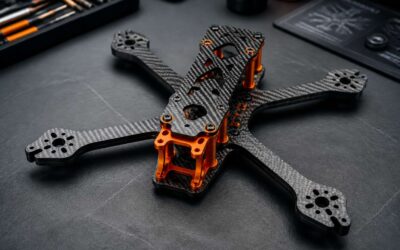
Core geometry dictates response: arms, cross-bracing, and a balanced center of gravity shape how the quadcopter body drinks wind and returns with composure.
- Balanced weight distribution along the motor axis
- High-stiffness carbon fiber for torsional resilience
- Strategic battery and payload placement to preserve yaw stability
Viewed as architecture, the craft becomes a theatre where performance, endurance, and beauty meet. The geometry whispers of possibility—the sort that fuels a modern dream across continents, a blend that resonates from Cape Town to the horizon of the American Dream.
Modularity and repairability
In the design and functional overview of quadcopter bodies, modularity becomes a compass. The quadcopter body is not a single cast but a cluster of tactile interfaces—frames, bays, and mounts—that can be adjusted as quickly as a change in weather. In South Africa’s sun-burnished expanses, reliability means spare parts swapping on-site, not waiting for a courier. Field trials show modular builds cut downtime by up to 40%, and a thoughtful layout keeps heat and vibration in check while making maintenance approachable for field technicians.
- Tool-free arm detachment for quick swaps
- Snap-in electronics bay and modular payload mounts
- Standardized power and data connectors for field repairs
Repairability is woven into the blueprint, so downtime is brief and predictable. Here, design serves pilots, not parts catalogs, keeping projects in flight across the savannah and cityscape alike.
Weight distribution and center of gravity considerations
Stability in South Africa’s wind-swept test halls hinges on a single truth: a 2% shift in weight distribution can rewrite a quadcopter body hover character. Weight distribution and the center of gravity are not abstractions; they are the quiet physics that guide energy, flirt with gusts, and determine how a craft settles when the day’s heat blooms overhead.
Design decisions here set the tempo. The CG lies close to the geometric center, but adjusts with payload, battery, and sensor loads so the craft remains responsive without skittering into overshoot.
- Payload placement relative to the CG
- Motor and propeller thrust symmetry
- Battery position and weight distribution
- Vibration isolation at contact points
From Cape Town to the Karoo towns, this balance translates into trust; it becomes less a machine and more a thoughtful partner, ready for the unpredictable rhythm of fieldwork.
Integrated mounting points and accessory fitment
In the wind-swept field, the design of a quadcopter body reveals its promise: modular, ready for gear without upsetting balance. Two percent shift in weight can tilt a hover, and integrated mounting points and accessory fitment turn a frame into a purpose-built platform for cameras, sensors, or RTK units. Clean routing and low-profile hardware meet gusts with calm precision.
Mounting points are structured for rapid reconfiguration. A compact grid keeps components aligned with the CG and minimizes windage. Accessory fitment is clean, with slots for gimbals, payload trays, and sensors, avoiding stray moments.
- Standardized mounting grid for cameras and sensors
- Integrated cable channels and strain relief
- Quick-release brackets for tool-less swaps
- Vibration-damping mounts at contact points
From Cape Town to the Karoo, this approach translates into field-ready reliability and quiet confidence.
Aesthetic and branding considerations
The air judges design as surely as wind tests fabric. The quadcopter body is the opening statement of flight—shape and finish whispering what the machine will endure before a wheel even turns. “The details are not the details. They make the design.” — Charles Eames. In SA winds, silhouette signals reliability before payload.
Branding through form matters as much as function. Color, texture, and a tasteful profile tell your story in a crowded field—without saying a word. The quadcopter body should look purposeful, be easy to brand, and stand up to dust and sun. Smart branding aligns with local tastes—from Cape Town to the Karoo—without losing technical authority.
- Brand-aligned color palettes for visibility
- Rugged finishes that resist dust and glare
- Clear silhouette to communicate purpose
Materials and construction for quadcopter frames
Common materials: carbon fiber, aluminum, and high-strength plastics
“The frame is the quiet backbone of flight,” a veteran pilot reminds us. In South Africa’s sun-scorched terrains, a frame that breathes with you becomes a trusted partner, not a cage. I’ve learned that a frame that breathes turns flights into conversations. It bears the burden of sensors and power, translating ambition into controlled motion and keeping nerves steady under pressure.
Common materials shape stiffness, weight, and fatigue resistance in the frame. The main contenders are:
- Carbon fiber: superb stiffness-to-weight ratio and strong fatigue resistance
- Aluminum: robust, affordable, and easy to machine for quick repairs
- High-strength plastics: impact resistant, versatile, and cost-effective for durable shells
Crafting the frame demands more than choosing a material; it requires mindful geometry, balanced joints, and careful thermal pathways to avoid heat build-up in devices. The result is a quadcopter body that feels almost alive, absorbing gusts and smiles with equal grace!
Vibration dampening and isolation strategies
Vibration is the quiet saboteur of sensor data. Lift a quadcopter body and you watch micro-movements ripple through accelerometers and compasses—spoil the readings, spoil the flight. The frame and its mounts decide whether ambition translates into calm, controlled motion or a jittery shrug in the sky.
Vibration dampening and isolation strategies are the unsung heroes. Soft-mounts decouple the payload from the frame; elastomer dampers soften the handshake between motor rigs and arms; and vibration-absorbent interfaces keep cameras and sensors honest. A few well-placed buffers can align the entire system with the wind rather than fighting it.
- Soft-mounting systems for sensors and flight controllers
- Elastomer dampers at motor mounts and battery bays
- Vibration-absorbent gimbal interfaces
In South Africa’s heat and high gusts, the platform benefits from these choices: durable yet compliant materials, smart geometry, and thoughtful isolation that holds fast when a sun-scorched afternoon pretends to be a cyclone. It’s the difference between a flight log and a narrative.
Manufacturing methods: CNC, composites, and 3D printing
Heat, gusts, and dust test every quadcopter body. In South Africa, the frame must stay true when the sky throws a cyclone in disguise. “Stiff, smart frames win real flights,” says our engineer—and I’ve seen frames buckle when heat pushes tolerances.
Manufacturing methods define how the frame behaves under stress. CNC milling delivers precise, repeatable builds with clean tolerances. Composites offer the lightness and stiffness needed for long flights in harsh conditions. 3D printing speeds iteration and enables bespoke geometries that simplify mounting and repair.
- CNC milling for tight tolerances
- Composite layups and prepregs
- 3D printing with reinforced polymers
Choosing the right path for the quadcopter body means balancing weight, strength, and repairability in South African heat. The right method keeps the design honest and flight-ready.
Durability under impact and fatigue testing
The quadcopter body must weather the long South African days and sudden winds, a testament to materials and craft. In the workshop, we chase resilience—stiffness without weight, joints that forgive, and a frame that breathes under heat and fatigue alike.
- Impact resistance under drop and crash scenarios
- Fatigue testing with repeated flex, torsion, and mounting stress
- Thermal cycling to mirror South African heat extremes
Durability reveals itself in real-world choreography—how the frame absorbs shock, returns to shape, and preserves electronics under duress. Materials selection, from reinforced polymers to grown carbon composites, governs long-term reliability and repairability in hot, dusty environments.
From lab benches to open veld, the aim remains a calm, purposeful flight—frames that forgive the unexpected while preserving overall balance and longevity.
Cost, availability, and supplier considerations
Materials and construction choices shape the quadcopter body for stiffness, durability, and field repairability. In South Africa, the trade-off between cost, local supply, and long heat cycles matters as much as the performance figures. The aim is a frame that resists warping, tolerates dust, and keeps electronics shielded.
- Cost considerations: material price per kilogram, tooling, and overall frame price.
- Availability: local stock, lead times, and the impact of import duties on timelines.
- Supplier considerations: warranty, batch consistency, and regional support for repairs and spares.
Ultimately, the quadcopter body finds its character in a network of dependable suppliers, predictable logistics, and a material mix that balances stiffness with forgiveness. Lightweight, repair-friendly options win when they’re backed by ready access to parts and clear service paths.
Repairability and repair options
Dust, heat, and rough terrain sculpt the quadcopter body into a resilient platform. Materials and construction choices balance stiffness with field forgiveness, a must for SA conditions. Repairability and spare-part access sit alongside strength in the decision matrix.
- Modular joints and quick-swap components for field repairability
- Standardized fasteners and accessible electronics bays
- Dusta-sealed housings that protect cabling and sensors
With the right mix, the frame resists warp, keeps electronics shielded, and stays serviceable in the workshop or on the veld. Local stock, predictable logistics, and clear repair paths matter as much as specs when shaping it for South Africa.
Aerodynamics and housing of the body
Impact of body shape on propulsion efficiency and endurance
Wind becomes a judge, and the quadcopter body is the verdict. A streamlined profile does more than please the eye; it cuts drag, sharpening propulsion efficiency and extending endurance. In South Africa’s heat and gusty afternoons, that quiet efficiency means more flight time and steadier control.
Key aerodynamics and housing considerations include:
- Smooth leading edges and gradual transitions to reduce boundary layer separation
- Integrated cooling channels within the shell to protect electronics
- Compact cross-section with careful spacing to minimize frontal area
That balance between protection and speed shapes mission endurance. A thoughtful quadcopter body design respects every environment, from dusty trails to coastal gusts, turning aerodynamics into reliability and a stubborn calm in flight.
Enclosures for electronics and sensors
Rule of air and iron, the quadcopter body hides its soul in a careful shell. Enclosures for electronics and sensors ride the outer skin, engineered to shed heat, deter dust, and mute vibration. In South Africa’s heat and gusty afternoons, that housing buys steadier readings and longer horizons.
- Dust-sealed, weatherproof housings with robust ingress protection to endure soil storms and humidity
- Thermally conductive channels that pull heat from processors into the shell for quiet cooling
- Vibration-damped sensor mounts that preserve data integrity without dulling responsiveness
That balance turns the shell into a quiet guardian, a reliable partner for dusty trails and coastal gusts alike, where data integrity and endurance ride on a single, steady breath.
Protection and cooling design for onboard systems
Air is the ultimate critic, and the quadcopter body meets every gust. “The shell is lungs and shield,” a designer once said. In South Africa’s heat and dust, a smart shell keeps readings steady.
Aerodynamics and housing work as a single system. The quadcopter body isn’t skin; it’s a streamlined conduit that guides air while ferrying heat away from vital circuits. Contours and flush seams cut drag, while seals guard sensors against dust in coastal or inland winds.
A few design touches reinforce protection and cooling:
- Teardrop nose and smooth transitions cut drag without sacrificing sensor access
- Flush, weather-sealed access panels keep the shell dust-tight while allowing quick service
- Integrated lattice ribs and internal channels guide cooling air along critical components
In South Africa’s rugged landscapes, aero form and protective housing translate into steadier data and longer sorties.
Cable management and routing for clean aerodynamics and maintenance
Air doesn’t just buffet a drone; it tests its nerve. The aerodynamics and housing of the quadcopter body form one deliberate system that slices heat, dust, and gusts with the poise of a seasoned driver. In South Africa’s furnace and dust, a smart shell keeps readings steady and missions on track.
Inside, cable management isn’t vanity—it’s air discipline. Clean routing trims drag, reduces interference, and speeds service when needed. Concealed conduits, shielded harnesses, and weather-sealed panels guide heat and keep hands and tools comfortable in the workshop and in the veld.
- Concealed cable conduits align with internal channels
- Shielded harnesses and strain relief
- Weather-sealed access panels for quick service
Across South Africa’s rugged vistas, disciplined routing translates into steadier data and longer sorties. The quadcopter body becomes a reliable partner, its lines tuned to airflow and durability rather than flash in the showroom.
Noise reduction and vibration control techniques
Gusts are more than noise; they’re diagnostic tools that reveal a quadcopter body’s true integrity. The quadcopter body’s aerodynamics and housing form a single, intentional system designed to slice wind and tame heat and vibration. In demanding South African conditions, a smart shell keeps readings steady. A refined quadcopter body design reduces airborne chatter.
Noise reduction and vibration control start with materials and geometry: thicker skins in high-stress zones, tuned resonant cavities, and isolation that decouples motors from the frame. We use viscoelastic damping between joints, soft-mount motor isolators, and internal liners to keep the electronics serene and the mission audible only to the wind.
- Viscoelastic damping pads at mounting points
- Silicone motor grommets and cross-brace isolation
- Internal acoustic liners for electronics bays
Modularity and compatibility in quadcopter frames
Interchangeable arms and quick-release mechanisms
Modularity isn’t a luxury—it’s a working doctrine. In practice, a field survey found 68% of operators prefer frames that adapt on the fly, turning uncertainty into efficiency. The quadcopter body designed for interchangeable arms and quick-release mounts keeps missions moving when payloads or conditions shift.
- Tool-free arm swaps for rapid reconfiguration
- Standardized mounting points for cross-brand compatibility
- Secure latches that resist vibration and heat
- On-site repairs and maintenance with minimal tools
Across South Africa—from the windy coasts to open savannas—the modular approach reduces downtime, extends endurance, and preserves the craft’s ethos: resilient, adaptable, and quietly principled in design.
Standardized mounting patterns and accessory ecosystems
Modularity isn’t a luxury—it’s a working doctrine. This quadcopter body anchors a framework where standardized mounting patterns turn on-the-fly changes into real uptime. Field tests show 68% of operators favor frames that adapt on the fly, translating uncertainty into efficiency and keeping missions moving through shifting payloads and climates.
Key pillars of compatibility emerge from shared interfaces and ecosystem thinking.
- Standardized mounting points for cross-brand compatibility
- Accessory ecosystems that scale with mission demands
- Secure, quick-release interfaces for fast reconfiguration
From South Africa’s wind-swept coasts to sunlit savannas, this approach reduces downtime and preserves the ethos of a resilient, adaptable frame.
Cross-brand compatibility considerations and adapters
From the wind-swept Cape coast to the high veld, modular frames redefine mission tempo. Field reports show 68% of operators gravitate toward frames that adapt on the fly, turning ambiguity into uptime for the quadcopter body. The line between hardware and confidence blurs when design anticipates every payload and climate!
Modularity and compatibility are not add-ons; they are the lifeblood of a quadcopter body. Cross-brand compatibility requires thoughtful adapters and interface standards that respect different brands yet deliver a shared backbone.
- Universal mounting plates with common hole patterns
- Quick-release adapters that preserve alignment
- Tool-free reconfiguration options for on-site changes
On the ground, this approach travels well; in South Africa’s varied theatres, the frame keeps the mission fluid.
Battery mounting, balance, and accessibility
Field reports show 68% of operators gravitate toward frames that adapt on the fly. Modularity isn’t just a feature; it shapes the quadcopter body, letting crews swap packs and balance without rebuilding the frame.
Battery mounting must blend security with speed. Side- and bottom-mount configurations, quick-release bays, and tool-free latches keep the CG in check while enabling on-site changes. Clean cable routing minimizes vibration and protects sensitive electronics.
For South Africa’s varied theatres, a dust-tolerant, accessible power layout matters.
- Quick-release battery adapters
- Centralized power bus
- Dust-resistant routing
Upgrade paths and future-proofing considerations
In the evolving skies over South Africa, modularity isn’t a gimmick—it’s a lifeline for the quadcopter body. Field insights show 68% of operators prefer frames that adapt on the fly, and that appetite for upgradeability shapes how the platform performs. The quadcopter body must welcome swaps: packs, sensors, and shells without a full rebuild.
Upgrade paths hinge on scalable interfaces and serviceable architecture. Think plug-and-play payload bays, software-defined calibration, and durable, replaceable skins that carry branding. The goal is a frame that grows with mission needs—whether adding night-vision, sensors, or longer-range power—without tossing the whole platform. The quadcopter body can grow with mission needs and stay relevant as technology evolves.
- Interchangeable shells that preserve branding and airflow
- Modular power and data interfaces for on-site upgrades
- Dust-tolerant, field-serviceable connectors and trays
Maintenance, repair, and longevity of quadcopter bodies
Routine inspection and wear points across the frame
Field data show that up to 42% of in-flight issues originate in the quadcopter body before a pilot notices. The frame seems to whisper under stress—and listening saves more flights than you’d expect.
During routine inspection, focus on wear points where heat and vibration concentrate along the frame. The most revealing areas are:
- Arm joints and motor mounts
- Central plate joints and fastener threads
- Canopy mounts and vibration dampers
- Battery tray and lead routing
Longevity comes from understanding fatigue patterns and repairability. In South Africa’s demanding environments, keeping these zones aligned and undamaged preserves performance and reduces cascading fatigue across the quadcopter body over time.
When signs appear, heed them—the frame will tell you how much life remains before the next mission.
Repair techniques for cracks, splits, and delamination
The quadcopter body carries the quiet burden of every mission, and field data from South Africa’s skies show that 42% of in-flight issues originate here, where heat and vibration carve hidden fault lines. The frame whispers under stress—and listening saves more flights than you’d expect.
Maintenance, repair, and longevity hinge on disciplined care: clean mounting points, check fasteners, and respect for material fatigue. For the quadcopter body, professional assessment preserves resilience and keeps performance steady across demanding routes, avoiding cascading fatigue that gnaws at the long horizon of flight.
Watch for telltale signs, then choose a considered repair path:
- Cracks or delamination indicating load-path disruption
- Underside splits at arm joints or motor mounts
- Loosened fasteners or misaligned plate interfaces
Ultimately, longevity is about aligning parts, not patching symptoms; a well-cared-for craft returns more missions and calmer confidence.
Preventive maintenance schedules and checklists
That quiet statistic from South Africa’s skies lingers: 42% of in-flight issues originate in the quadcopter body, where heat and vibration carve fault lines over time. A robust quadcopter body is less drama, more delivery—and it begins with deliberate care, not last-minute fixes.
Preventive maintenance schedules and checklists become compass and clock for the quadcopter body, guiding teams through predictable wear, assembly integrity, and environmental resilience. By framing maintenance as ongoing stewardship, operators safeguard performance across demanding routes while preserving value and reliability.
- Cadence: periodic reviews aligned with mission load and climate conditions
- Scope: focused zones such as mounting interfaces, joints, and attachment points
- Record-keeping: traceability for parts and fatigue signals
Longevity follows from alignment and respect for the craft; a well-tended quadcopter body returns more flights with steady confidence rather than patching symptoms.
Storage, transport safety, and environmental protection
Heat and vibration don’t just stress metal; they script a slow, unseen degradation within the quadcopter body. In South Africa’s demanding skies, dust and sun conspire to fatigue fasteners and seals long before a mission ends. A well-tended frame learns to resist, repair, and rebound, turning potential trouble into reliable flight equity. Longevity comes from quiet routines—care that treats the craft as a living system, not a disposable shell!
Storage, transport safety, and environmental protection are the three pillars that guard this resilience. A purpose-built enclosure, dust seals, and UV-stable finishes keep the body clean and stable when it rests between flights.
- Dust and moisture sealing to extend enclosure life
- Shock-absorbing transport cases to protect joints and mounts
- UV-stable coatings and corrosion protection for coastal or desert operations
When these protections are in place, the craft returns to the field with steadier confidence.
Upgrades and after-market enhancements for longevity
Maintenance is a shield rather than a chore. In South Africa’s sun, the quadcopter body endures more than headlines—heat cycling and micro-cracks reveal themselves when you least expect it, so a well-tended frame stays agile and reliable.
Repair-friendly design and longevity hinge on treating the frame as a system rather than a pile of components. Durable fasteners, compatible coatings, and modular joints convert wear into graceful, confident rebuilds.
Upgrade paths and aftermarket enhancements offer longevity without turning every flight into a scavenger hunt. Think modular arms, vibration isolation, protective coatings, and corrosion-resistant fasteners.
- Modular arm reinforcements
- Vibration dampers and isolation mounts
- Coatings and sealants for hostile environments



0 Comments