Quadcopter Gravity Sensor and 2.4G Drone Architecture
Fundamentals and Technology
Nine out of ten drone pilots say gravity is the quiet backbone of a stable hover. It’s the unsung hero that makes tricky shots feel effortless. The quadcopter gravity sensor drone 2.4g keeps South Africa’s skies calm and cinematic.
At the heart of gravity sensing is a smart duet: accelerometers and gyroscopes feeding a fusion algorithm that pins the drone’s orientation to the Earth’s gravity. The result is smooth hover, precise yaw, and predictable responses even when a gust nerves you. No drama, just reliable geometry in motion.
- 2.4 GHz radio link for control and telemetry
- Flight controller with fused IMU data
- Power management and ESCs
Together, the 2.4G drone architecture underpins reliability: a modular stack of flight controller, sensors, and power, wired to a 2.4 GHz link. This setup suits field work and coastal shoots in South Africa’s varied winds.
Hardware Components and Build Considerations
In South Africa’s wind-sculpted skies, the quadcopter gravity sensor drone 2.4g quietly redefines hover. Operators report hover drift halved when gravity sensing aligns with terrain and gusts—a quiet backbone that makes cinematic shots breathe with ease. It’s built for field work and coastal shoots, blending rugged reliability with precise control.
Three hardware pillars anchor the architecture:
- 2.4 GHz radio link for control and telemetry
- Flight controller with fused IMU data
- Power management and ESCs
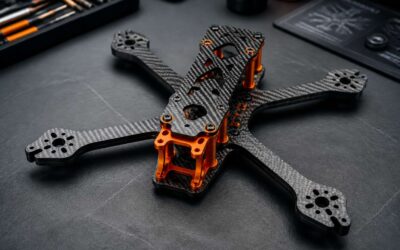
Build considerations include frame choice, vibration damping, and weather sealing suited to SA’s varied conditions. Carbon fiber or aluminum frames offer stiffness with lightness, while dampers reduce micro-motions that jitter cameras. Battery selection, connector protection, and weight distribution matter as ESC ratings and motor pairing keep things predictable. The result is a resilient, precise sky partner—the quadcopter gravity sensor drone 2.4g.
Applications and Use Cases
Across South Africa’s wind-sculpted skies, a telling stat cuts through the noise: outdoor shoots lose precise hover in gusts more than two-thirds of the time. The quadcopter gravity sensor drone 2.4g turns that volatility into steadiness, syncing gravity with terrain for rock-steady holds above rangeland, cliffs, and coastal flats. Cinematic framing breathes again, even when the wind prowls.
- Terrain-aware mapping over uneven ground
- Coastal shoots in wind-prone light
- Stable cinematic tracking with minimal drift
Architectural choices—robust frames, vibration control, and weather sealing—translate into practical use across SA: utility inspections, agricultural monitoring, and emergency reconnaissance. Gravity sensing delivers reliable altitude hold and ground-truth data streams, turning aerial work into a predictable, repeatable routine.
Safety, Maintenance, and Buying Guide
Wind-kissed horizons across the Cape and Karoo demand more than sleek optics; they demand reliability. This architecture blends a robust frame, deliberate vibration control, and weather sealing, turning South Africa’s gusts into rock-steady holds above rangeland, cliffs, and coastal flats.
Safety and maintenance go hand in hand. Redundant sensors, secure mountings, and smart firmware guards keep altitude hold trustworthy; routine checks—propeller integrity, battery health, and sensor calibration—prevent drift and surprises in the field. quadcopter gravity sensor drone 2.4g becomes a trusted partner.
- Robust frame with sealed electronics
- Easy access to spare parts and SA service
- Clear maintenance and firmware schedule
Buying with confidence means prioritising serviceability, local support, and clear maintenance plans that keep performance singing under dusty, windy SA conditions.


0 Comments