Quadcopter and Hexacopter: Comprehensive Guide to Differences, Specs, and Buying
Quadcopters vs Hexacopters Basics
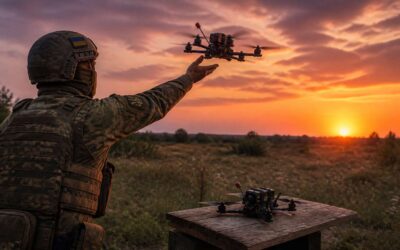
Across South Africa, dawn flights over veld and coast reveal the same quiet awe as sunrise on a dam. A recent drone report notes a rising hobbyist crowd and the pull of quadcopter or hexacopter.
Fundamental differences show quickly: hexacopters offer more redundancy and lifting power, while quadcopters stay lighter and easier to handle in wind. For many buyers, the choice between a quadcopter or hexacopter hinges on flight time.
- Redundancy and stability
- Payload capacity and flight time
- Maintenance, spare parts, and local service
As you weigh options, factor local SA support, parts availability, and weather patterns. This comprehensive look at the basics helps bridge fieldwork and storytelling, turning everyday landscapes into trusted footage.
Frame, Motors, and Propulsion
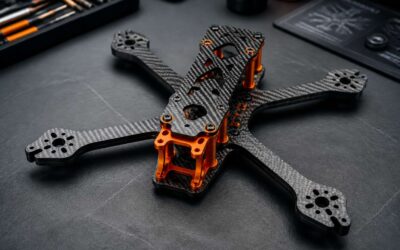
Opting between quadcopter or hexacopter boils down to how you balance frame, motors and propulsion under practical field conditions. This guide to Differences, Specs, and Buying Frame, Motors, and Propulsion cuts through the jargon to reveal how frame stiffness, weight, and motor pairing shape flight time and control. In South Africa’s shifting winds, that trio decides whether your footage carries the quiet authority of a sunrise over a dam.
- Frame material and rigidity
- Motor KV and thrust alignment
- Propeller size, pitch, and pairing
- ESC rating, battery chemistry and C rating
- Weight budget and payload capability
Frame, motors, and propulsion aren’t abstract specs; they map to real-world reliability, serviceability, and local support. For a quadcopter or hexacopter, select the frame geometry, motor KV, and propeller pairing that matches your camera payload and climate, and observe how it behaves in open veld and coastal gusts.
Power Systems and Flight Time
In South Africa’s dawn light, a drone isn’t just a camera; it’s a calculation to the millisecond. A well-tuned power system turns ambition into footage that feels inevitable, not luck. When the moment demands endurance, every watt and every gram matters—flight time becomes memory in motion!
quadcopter or hexacopter means more than frame count; it signals how you balance energy, cooling, and payload behavior in variable wind. The right platform rewards careful pairing: efficient ESCs, battery chemistry suited to your climate, and a disciplined weight budget translate to steadier shots and fewer mid-air surprises. The landscape teaches respect for power; the craft must breathe with it.
- Payload integrity and center of gravity
- Local support and spare parts availability
- Maintenance cycle and field diagnostics
Performance and Use Cases
In SA’s dawn light, 9 out of 10 successful shoots hinge on power management, not luck. The choice between quadcopter or hexacopter is a philosophy of wind, weight, and will—less a trick of speed, more a pact with endurance. I parse how each platform channels power, sensors, and stability into reliable footage without rehashing the basics. When a scene demands precision against gusts, the platform becomes a quiet partner, turning ambition into steadiness and memory into momentum!
- Payload behavior and center of gravity planning
- Local support and spare parts availability in SA
- Maintenance cadence and field diagnostics
From lakes to urban canyons, the quadcopter or hexacopter shapes buying decisions around how a machine breathes under pressure, where cooling meets payload behavior, and how resilient the supply chain feels in practice. It’s a language of resilience, turning complexity into dependable outcomes for SA teams.
Cost, Maintenance, and Upgrades
In SA, 68% of field shoots hinge on power management, not luck. Between a quadcopter or hexacopter, the decision is a pact with endurance rather than a trick of speed. This guide peers into the specs, buying costs, maintenance cadence, and upgrades that actually matter, skipping the basics.
Costs reflect more than sticker price—total ownership matters. A quadcopter tends to win for compact builds and leaner cooling at modest payloads; a hexacopter expands payload margin and steadiness for heavier kits, with higher upfront and ongoing costs. Local SA support, spare parts availability, and field diagnostics tilt the scale toward resilience, especially when payload behavior and center of gravity planning come into play in gusty environments.
For upgrades, consider the following enduring pillars:
- Power management and cooling enhancements
- Sensor compatibility and firmware update paths
- Frame modularity and reliable access to SA spare parts
Buying Guide and Safety
Across South Africa, 68% of field shoots hinge on power management, not luck. The choice between quadcopter or hexacopter is a pact with endurance, not a sprint. When you assess these platforms, you’re weighing how frame mass, lift margin, and cooling latitude perform under gusty veld conditions.
Quadcopter excellence lies in compact builds and brisk cooling at modest payloads; hexacopter, with greater lift margin, steadies heavier kits but carries higher upfront and running costs. The balance of weight, efficiency, and field reliability guides the decision.
- Endurance and battery management
- Payload capacity and center-of-gravity behavior
- Spare parts availability and local support
Safety in SA skies demands redundancy, reliable firmware paths, and clear return-to-home behavior—features that must be future-proofed in either platform. The right choice blends resilience with responsible operation and serviceability.


0 Comments