Drone Technology Essentials
Definition and Core Components
From horizon to desk, a quiet ascent redraws the air. what are drones? They are nimble, unmanned aerial vehicles—eyes in the wind, sensors wrapped in steel and light. In South Africa, the skies hum with potential—double-digit growth across industries.
Definition and core components: at heart, a drone is an airframe, a propulsion system, and a brain—the flight controller—paired with sensors and a communication link to guide its dance. Light, precise, and purposeful, these elements converge to transform data into perspective, whether surveying a coastline or capturing a cityscape.
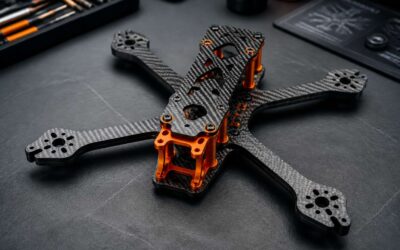
- Airframe and propulsion: frame, motors, propellers
- Flight control and navigation: autopilot, sensors, GPS/IMU
- Power and payload: battery, energy management, camera or sensor suite
In South Africa, weather and terrain push design toward resilience—endurance, safety, and clarity in data.
Flight Mechanics and Control Systems
Across South Africa’s dynamic skies, drone technology has shifted from curiosity to cornerstone, slashing fieldwork times and elevating safety standards. Flight mechanics form the silent backbone: rotors turning, airframes bearing the wind, and propulsion pairing with a disciplined dance of lift. It is a graceful calculation guiding every mission.
In flight control and navigation, autopilots fuse with GPS/IMU, barometers, and sensors to pin accuracy to the compass. They translate intent into action, tame gusts, and steady a quiet hover. The question—what are drones—becomes practical: weather-resilient tools mapping, measuring, and monitoring with confidence.
- Autopilot and flight controller teamwork for stable flight
- GPS/IMU and sensors for precise positioning
- Power management and payload synergy for endurance
Sensors and Payloads
Across South Africa’s skies, sensor suites are the quiet engineers of the drone age, turning curiosity into precision work. In the latest sector reports, SA drone activity grew by about 27% last year, a testament to practicality over pomp. Onboard and edge-mounted sensors extend sightlines: optical cameras, multispectral imagers, and thermal modules that reveal what the naked eye cannot. They map fields, inspect infrastructure, and monitor ecosystems with quiet confidence.
So, what are drones? A nimble sensor platform that can carry high-resolution RGB cameras, multispectral sensors, LiDAR, and thermal payloads, all while staying light on the wind. The choice of payload shapes mission outcomes, balancing weight, power, and data flow. In practice, a compact frame can outpace a human with a tape measure—until you factor in weather and endurance.
- High-resolution RGB cameras for crisp mapping
- Multispectral sensors to gauge crop vigor
- Thermal imaging for heat patterns and search-and-rescue cues
Battery Technology and Range
South Africa’s drone activity rose 27% last year, signaling practicality over spectacle. To answer what are drones, imagine nimble eyes in the sky—quiet, precise, and turning data into decisive action.
Battery technology is its heartbeat. Lightweight cells, smart management, and softened heat build endurance without dragging weight down. Think LiPo, Li-ion, and the promise of solid-state packs; swappable batteries and rapid charging nudge the horizon forward.
- Li-Po packs for light drones
- Li-ion for longer endurance
- Solid-state chemistry for safety and density
Range is a dialogue between power and weather, from line-of-sight to BVLOS ambitions under permission. With efficient power and lighter payloads, flights cross wider fields—farms, mines, and coastlines—without the wind’s consent.
Drones in Different Industries
Aerial Photography and Filmmaking
Drones have become the Swiss army knife of the modern media world. The global drone market is projected to exceed $60 billion by 2025, and South Africa’s crews are busy writing the next chapter. These gadgets prompt a simple question: what are drones? They’re flying cameras with brains—nimble, programmable, and capable of capturing angles previously reserved for helicopters.
In South Africa, these nimble devices aren’t just toys; they’re storytellers that shuttle cinematic value into frame after frame. For aerial photography and filmmaking, they deliver sweeping establishing shots, precise follow-cuts, and safety from difficult terrain. Across industries, the possibilities include:
- Aerial photography and filmmaking (cinematic shots, tracking moves, and safer reach)
- Infrastructure inspection and mining appraisals
- Agriculture and land management
- Event coverage and real-time broadcasting
Smart, nimble, and a touch rebellious, they turn difficult locations into accessible sets and fields—without hiring a crew of gravity-challenged superheroes.
Agriculture and Crop Monitoring
Across South Africa’s sunlit veld and lush wine lands, drones have become quiet agronomists in the sky; what are drones but patient watchers that translate canopy signals into actionable intel, turning uncertain rows into tomorrow’s optimized harvest. They have turned farming into a dialogue between weather, soil, and insight—where a single flight can redraw plans and lift yields with data-driven confidence.
- Crop health mapping and early stress detection
- Variable-rate irrigation and nutrient planning
- Pest, weed, and disease scouting
From the Karoo to the Highveld, that vigilance is reshaping farms into adaptive systems—where data, farmers, and fields move in a coordinated rhythm!
Construction and Surveying
Across South Africa’s growing skylines, drone-enabled surveying is the quiet engine behind faster, more accurate planning. Industry reports indicate that site surveys performed with drones can trim project timelines by as much as one-third, reducing rework and unlocking earlier client approvals. But what are drones in the field of construction and surveying? They are nimble, high-precision tools that translate messy ground into crisp, actionable models.
From early grading to final handover, they capture data that informs layout, earthwork calculations, and infrastructure coherence. In practice, teams pair drone-derived maps with BIM models for precise alignment.
- Site mapping and as-built records
- Volume measurements of stockpiles
- Daily progress monitoring and visual reports
- Roof, tower, and facade inspections
In SA, the technology stabilizes projects, enabling contractors to coordinate with engineers, clients, and authorities. The result is cleaner handovers, fewer discrepancies, and a more transparent pipeline.
Public Safety and Emergency Response
Across South Africa’s volatile night skies, drone-enabled public safety teams shave response times by up to a third. What are drones in this theatre of rescue? They are nimble, nocturnal sentinels—flying eyes that translate chaos into maps and clues into coordinates. From rooftop reconnaissance during floods to overland sweeps for missing persons, they turn uncertainty into actionable leads.
- Live situational awareness with video and thermal imagery
- Rapid search and rescue over rugged terrain
- Payloads like loudspeakers and marker beacons for coordination
In SA, these quiet wings bind police, fire, and medical crews into a seamless chain, flattening the margins between danger and disclosure. They offer transparency, swifter triage, and cleaner handovers when the sirens fade.
Delivery and Logistics
Across South Africa’s sunlit sprawl, delivery dreams take flight. In the air above warehouses and townships, what are drones but agile couriers bending distance to will? They safeguard late-night inventories, ensuring vaccines arrive before dawn and spare parts reach remote clinics where roads fade to dust. These airborne messengers weave speed with precision, turning complex routes into something almost lyrical.
In practice, the logistics theatre unfolds in the air:
- Faster last-mile delivery to urban hubs and rural clinics
- Real-time tracking, inventory visibility, and streamlined handovers
- Cold-chain capable transport for medicines and perishables
Here in SA, these quiet wings bind supply chains together, turning jittery timelines into reliable handoffs and keeping commerce moving when traffic and terrain conspire.
Safety, Regulation, and Ethics
Privacy and Data Security
Airspace Rules and Compliance
Drone operations sit at the exhilarating crossroads of ambition and law—the kind of invention that looks up and asks for permission!
‘The sky isn’t a free-for-all; it’s a shared space,’ a policy adviser likes to say, and that wisdom resonates across South Africa’s airspace. What are drones if not disciplined observers and nimble data collectors? They enchant with possibility, yet demand responsibility.
Safety, Regulation, and Ethics guard every flight. In South Africa, operators must respect airspace rules, maintain situational awareness, and avoid crowds or sensitive sites. Compliance with the national aviation framework and privacy expectations keeps work professional and trusted, turning a potential risk into reliable capability.
- Licensing and permissions under the South African aviation framework
- No-fly zones and geofencing awareness
- Privacy and ethical use in public spaces
Such prudence ensures what are drones remain powerful tools rather than unpredictable neighbors drifting over privacy boundaries.
Safety Best Practices and Risk Management
In the theatre of flight, safety, regulation, and ethics guard every trajectory. what are drones, if not disciplined eyes and careful custodians of data? They spark ambition with a quiet gravity, inviting responsibility as a companion on every mission.
Within South Africa’s skies, risk is not banished but mapped, so operations hum with steadiness.
- respect for individuals and communities encountered in the field
- transparent, auditable decision-making and record-keeping
- risk assessment that weighs people, property, and the environment
- ethical engagement with stakeholders and the public
Flying becomes poetry when accountability is the compass; curiosity gains a conscience and purpose.
Environmental and Community Impact
In South Africa, drone-enabled operations recorded a remarkable 28% increase in efficiency last year, moving tasks from decades-old methods into real-time decision making. Prompting the question: what are drones? They are disciplined eyes that guard data with ethical intent and transform landscapes with quiet precision.
Safety and governance form the compass of every mission. In SA, adherence to the Civil Aviation Authority (SACAA) rules, standard operating procedures, and transparent data handling ensures accountability. Ethical engagement with communities turns curiosity into stewardship, aligning with POPIA and local consent practices.
- Community impact assessments
- Transparent decision-making and record-keeping
- Ethical engagement with stakeholders
- Noise and wildlife-friendly flight planning
Environmental and community impact is not an afterthought but part of the mission. Smart flight planning minimizes disturbance, sensors monitor noise footprints, and green logistics sharpen delivery sustainability. Responsible pilots partner with local authorities to nurture trust, turning every mission into a story of wonder rather than disruption.
Buying, Maintenance, and Future Trends
Choosing the Right Drone
Buying a drone in South Africa blends practicality with prestige; shoppers weigh price against service and local compliance. What are drones? They are flying tools that fuse portability with capable payloads. Clarity beats charm, so prioritize support and spare parts.
- Budget aligned to use-case
- Local service and spare-parts availability
- Regulatory compliance and insurance
Maintenance demands discipline: routine calibration, firmware updates, battery care, and sensible storage. In the South African climate, dust and heat stress—yet regular checks keep performance reliable, the craft responsive, and safety margins intact.
Future trends point to AI-assisted flight, modular payloads, longer battery life, and smarter autonomy. Across SA businesses and agencies, drones will blur the line between data and decision, turning aerial insight into everyday advantage.
Maintenance and Upgrades
Buying a drone in South Africa isn’t mere gadget shopping—it’s an investment in mobility with purpose. If you ask what are drones, you’ll find they are portable flight tools that carry useful payloads while staying light on your conscience. Look for compact form factors, solid local support, and parts availability that won’t ghost you after a few flights.
Maintenance demands discipline: routine calibration, firmware updates, battery care, and sensible storage. In SA’s dust-and-heat climate, regular checks protect performance, keep the craft responsive, and preserve safety margins.
Future trends point to AI-assisted flight, modular payloads, longer battery life, and smarter autonomy. Across SA businesses, drones will blur data and decision, turning aerial insight into everyday advantage.
- AI-assisted flight and object recognition
- Modular payload ecosystems for quick swaps
- Next-gen batteries with longer life and faster charging
- Smarter autonomy reducing pilot workload
Cost of Ownership
In South Africa, buying a drone isn’t mere gadget shopping—it’s a decision that shapes mobility with purpose. If you ask what are drones, the answer is practical: portable flight tools that carry payloads while staying light on your conscience. When shopping, seek compact form factors, reliable local support, and parts you can actually source after a few flights. These factors promise a smoother journey from checkout to field.
- Local service and parts
- Compact portability
- Clear warranty and support
Maintenance demands discipline: routine calibration, firmware updates, battery care, and sensible storage. In SA’s dust and heat, regular checks protect performance, keep the craft responsive, and preserve safety margins.
Future trends—AI-assisted flight, modular payload ecosystems, next-gen batteries, smarter autonomy—are redefining the cost of ownership for SA businesses. Drones may soften pilot workload, sharpen decision speed, and turn aerial insight into everyday advantage.
Future Trends and AI in Drones
In South Africa, what are drones? They are portable flight tools that carry payloads while staying light on conscience. A purchase here is more than gadgetry—it’s a decision shaped by dust, heat, and a demand for compact, reliable gear you can source locally.
Maintenance demands discipline. In SA conditions, regular checks, firmware updates, battery care, and sensible storage keep performance steady and safety margins intact. A simple routine today averts costly downtime tomorrow.
- Field-ready design that handles dust
- Accessible support networks nearby
- Battery and data hygiene practices
Future Trends and AI in Drones signal AI-assisted flight, modular payload ecosystems, next-gen batteries, and smarter autonomy shaping value for SA businesses. Drones may lighten pilots’ workloads, speed decision cycles, and turn aerial insight into everyday advantage.


0 Comments